Citizens’ Assemblies and Mini-Publics for Public Decision-Making
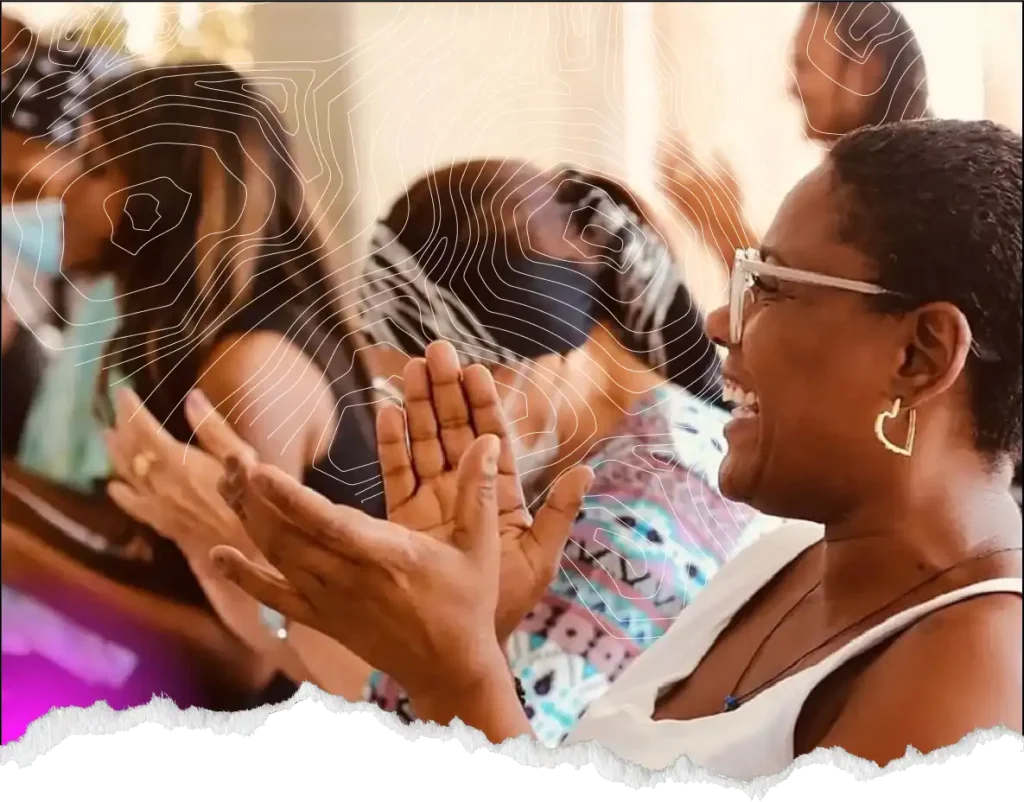
The main goal of this practice, led by Delibera Brasil and presented by Silvia Cervellini, is to create institutionalized spaces where citizens can participate in an informed and strategic way in public decisions. Through citizens’ assemblies and mini-publics organized via civic lotteries, the practice fosters representative, deliberative, and responsible participation—especially in contexts of inequality and exclusion.
Debate model of civic education

The civic debate model promoted by the Croatian Debate Society (CDS) is a national-level initiative that responds to the lack of youth awareness regarding active citizenship, political agency, and democratic culture. Through a network of debate clubs, the practice aims to empower young people to express their ideas, argue with reasoning, think critically, and actively engage in public life.
Community Engagement for Sustainable Impact

This deliberative process with farmers in Washim, India, exemplifies how deliberative democracy can empower rural communities and ensure their active participation in political decision-making—especially in crucial matters such as climate change, sustainable agriculture, and natural resource management.
ARTvocacy Movement
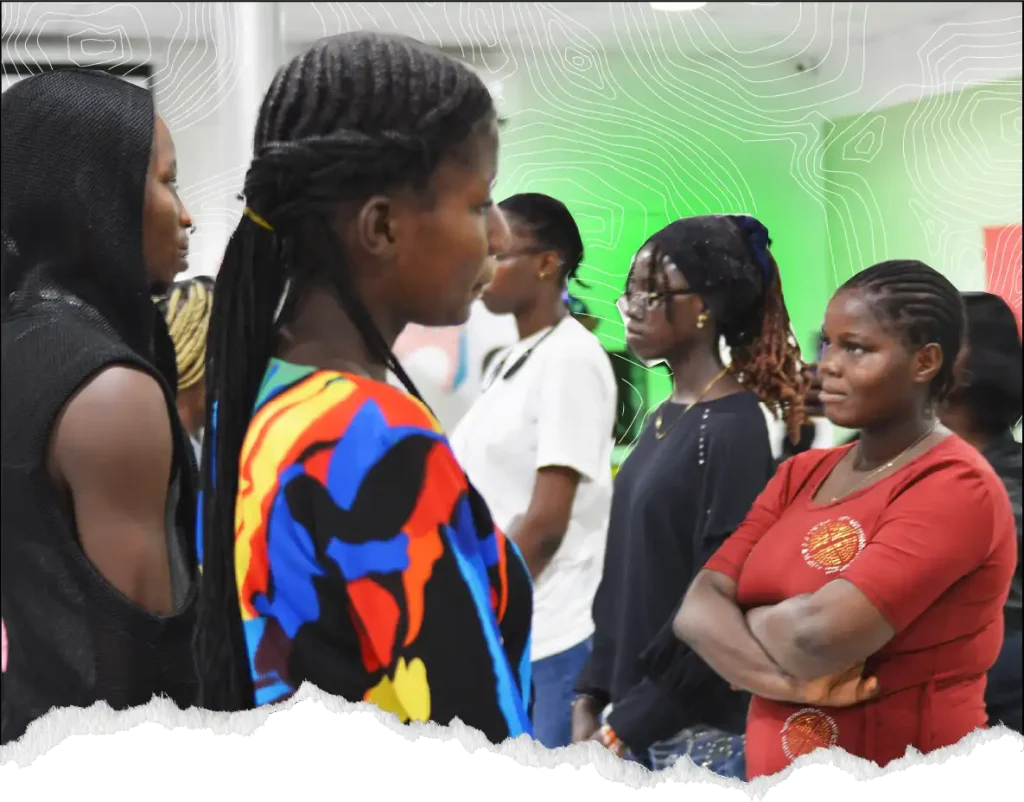
This project worked with youth aged 18 to 35 in informal settlements of Nairobi and Kisumu, aiming to develop effective ways to include them in democratic processes. Barriers identified included deep mistrust in government institutions, poverty, and participatory platforms that lacked feedback mechanisms. Despite these challenges, traditional structures like barazas (community meetings), WhatsApp groups, and bunges (informal parliaments) were already serving as local spaces for civic expression and were seen as opportunities to be strengthened and modernized.
Citizen School Lab, Pre-University School of Social Sciences and Humanities
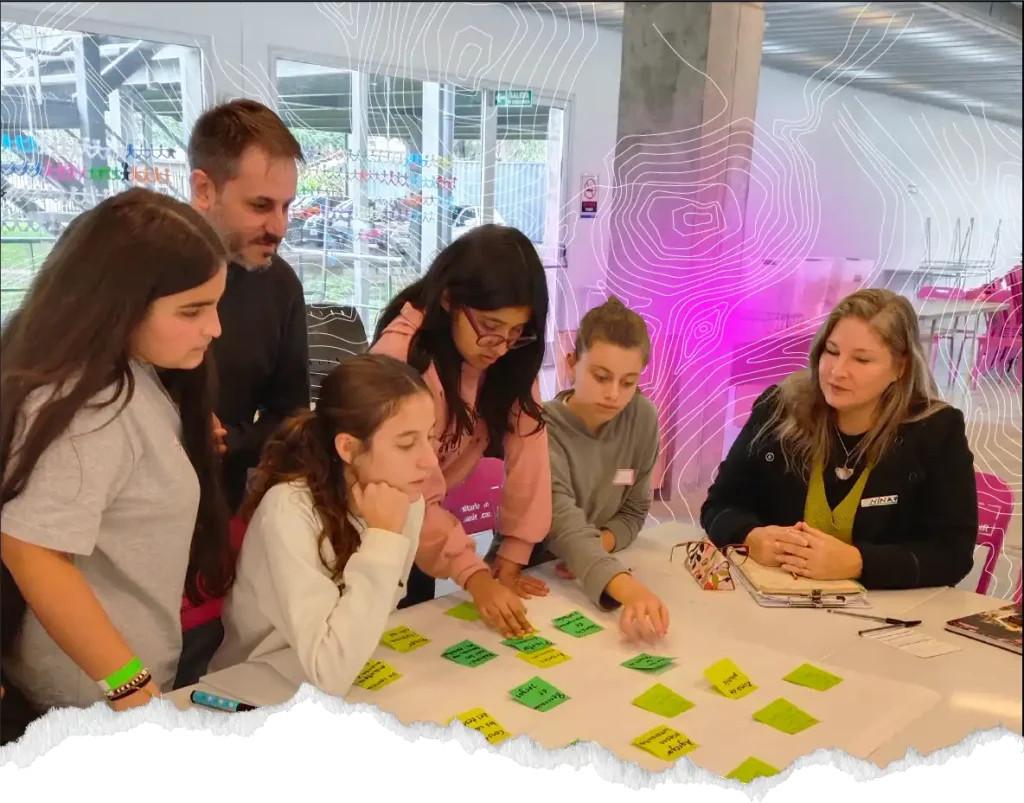
The main goal of this project was to gather the necessary information to design a global survey that could evaluate the experiences of individuals participating in Participatory Budgeting (PB) processes worldwide.